Best Dorms in 2026: Ultimate Guide to College Housing & Roommate Tips

Living in a dorm is a rite of passage for millions of students each year, offering a unique blend of independence, community, and learning experiences that extend far beyond the classroom. As we navigate through 2026, the landscape of college housing continues to evolve, with modern dorms incorporating smart technology, sustainable design, and flexible living arrangements to meet the changing needs of today’s students. Whether you’re a prospective college student wondering what dorms are all about, a parent researching housing options, or a current resident looking to optimize your living space, understanding the ins and outs of dorm life is essential for making the most of this transformative experience.
What Are Dorms and How Do They Work?
Dorms, short for dormitories, are residential buildings typically found on college and university campuses that provide housing for students. These communal living spaces have been a cornerstone of the college experience since the earliest days of higher education in America, with Harvard University establishing the first student dormitories in the 1600s. Today’s dorms have evolved significantly from their historical counterparts, now offering a range of amenities and configurations to suit diverse student needs.
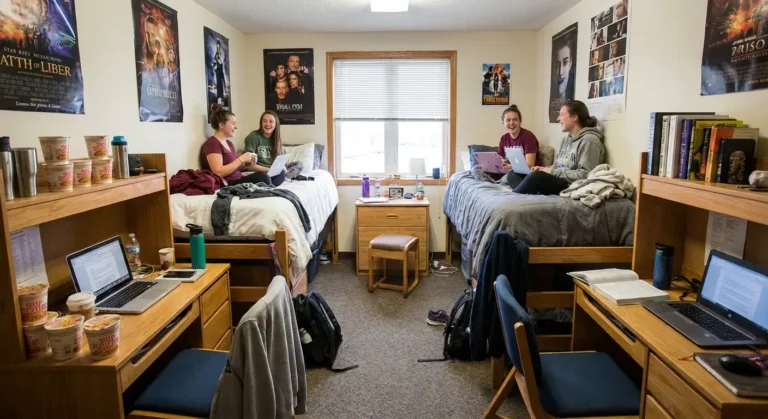
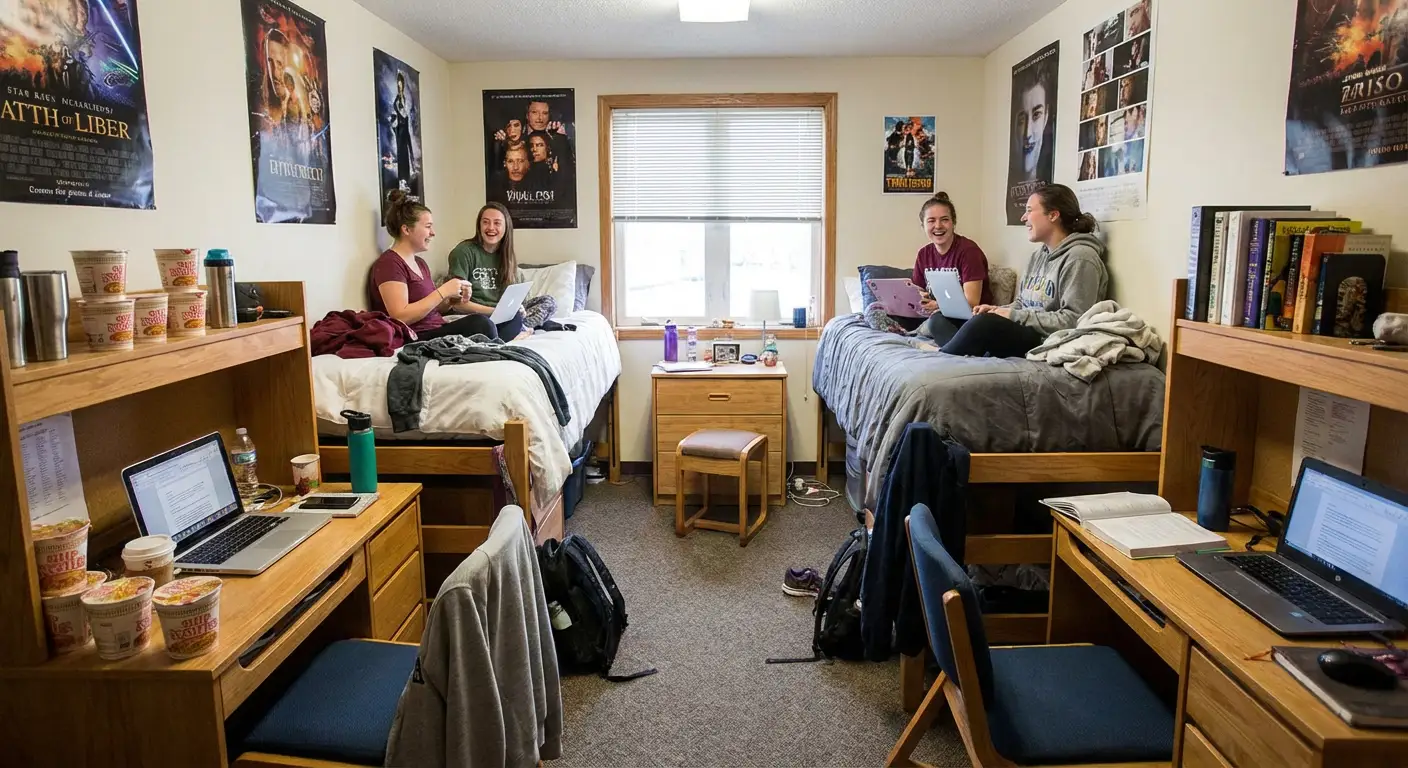
Modern dorms typically consist of multiple floors with shared common areas, individual or shared bedrooms, and communal bathrooms. Students are assigned to specific rooms, often with one or more roommates, and share facilities like lounges, study areas, and laundry rooms. Many institutions now offer themed housing options, such as honors floors, wellness communities, or identity-based living spaces that cater to specific student interests or demographics.
The primary purpose of dorms extends beyond mere accommodation. They serve as microcosms of community life, where students learn valuable life skills like conflict resolution, time management, and interpersonal communication. Living in close proximity to peers from diverse backgrounds creates opportunities for cultural exchange, networking, and the formation of lifelong friendships.
The Evolution of Dorm Living in 2026
As of 2026, the traditional concept of dorm living has undergone significant transformation. Smart dorm technology has become increasingly prevalent, with many institutions implementing keyless entry systems, app-controlled lighting and temperature, and high-speed internet infrastructure designed to support remote learning and entertainment needs. Sustainability has also taken center stage, with many new dorm constructions featuring solar panels, water conservation systems, and energy-efficient appliances.
The COVID-19 pandemic permanently altered some aspects of dorm life, leading to increased emphasis on air quality, touchless fixtures, and flexible room configurations that can accommodate various living arrangements. Many institutions now offer a hybrid approach to housing, combining traditional dorm experiences with apartment-style options that provide more independence while maintaining the benefits of campus living.
Types of Dorms: Finding Your Perfect Fit
Not all dorms are created equal, and understanding the different types available can help you make an informed decision about your living situation. The variety of dorm options has expanded significantly in recent years, catering to different preferences, budgets, and lifestyle needs.
Traditional Residence Halls
Traditional residence halls represent the classic dorm experience, featuring long hallways with multiple rooms sharing common bathrooms and lounges. These buildings often house hundreds of students and provide the most immersive community experience. In 2026, many traditional halls have been renovated to include modern amenities while maintaining their communal atmosphere. Students in these halls typically have the opportunity to participate in floor activities, attend residence life events, and benefit from the constant presence of resident advisors.
Suite-Style Dorms
Suite-style dorms offer a middle ground between traditional halls and apartment living. These arrangements typically feature two to four bedrooms sharing a common living area and bathroom. This setup provides more privacy than traditional dorms while still maintaining a sense of community. Many upperclassmen prefer suite-style living as it offers a balance of independence and social interaction. In 2026, suite-style dorms have become increasingly popular due to their flexibility and the added privacy they provide.
Apartment-Style Housing
Apartment-style housing represents the most independent form of campus living, offering students fully equipped kitchens, private bathrooms, and more spacious living areas. These units often house upperclassmen or students with specific needs for more independent living arrangements. While apartment-style housing typically comes at a premium price point, many students find the additional space and amenities worth the investment. Modern apartment-style dorms in 2026 often include smart home features and energy-efficient appliances.
Themed and Specialized Housing
Themed housing options have gained significant traction in recent years, allowing students to live with others who share similar interests, academic pursuits, or lifestyle choices. Examples include honors housing, wellness-focused communities, LGBTQ+ safe spaces, and substance-free environments. These specialized housing options create built-in support systems and foster deeper connections among residents who share common goals or identities.
Pros and Cons of Living in Dorms
Understanding the advantages and disadvantages of dorm living is crucial for making an informed decision about your housing situation. While dorms offer numerous benefits, they also come with challenges that prospective residents should consider.
Advantages of Dorm Living
The proximity to campus resources stands out as one of the primary benefits of dorm living. Students living in dorms typically have walking distance access to classrooms, libraries, dining facilities, and campus activities. This convenience can save significant time and money on transportation while making it easier to participate in campus life.
The built-in community aspect of dorms cannot be overstated. Living among peers creates automatic social connections and support systems that can be invaluable during the transition to college life. Many lifelong friendships and professional networks begin in dorm settings, where students share experiences and support each other through academic and personal challenges.
Challenges of Dorm Living
Privacy concerns represent one of the most significant drawbacks of dorm living. Sharing space with roommates and communal facilities means sacrificing personal space and alone time. Students who value solitude or have specific privacy needs may find dorm living challenging.
Noise and distractions can also be problematic in dorm environments. Late-night activities, shared walls, and communal living spaces can make it difficult to focus on studies or maintain regular sleep schedules. Students who require quiet environments for optimal productivity may need to develop strategies for managing these challenges.
Dorm Room Essentials: What You Really Need
Packing for dorm life requires careful consideration of what items are truly essential versus what might be nice to have. The limited space in most dorm rooms necessitates thoughtful selection of belongings and creative storage solutions.
Must-Have Items for Every Dorm Room
Bedding essentials top the list of necessary items, including twin XL sheets, pillows, blankets, and a mattress topper for added comfort. Most dorm mattresses are notoriously firm, so investing in quality bedding can significantly improve sleep quality. Storage solutions are equally important, with under-bed containers, over-door organizers, and collapsible bins helping maximize limited space.
Technology and Connectivity
In 2026, reliable technology has become indispensable for academic success. A laptop computer, noise-canceling headphones, and a portable charger are essential items for most students. Many institutions now require specific software or provide access to virtual learning platforms, making technology integration crucial for dorm living.
Personal Items and Comforts
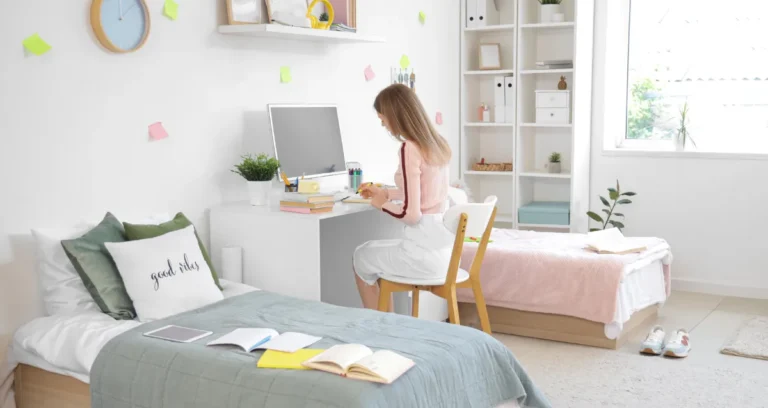
While functionality is important, creating a comfortable and personalized living space can significantly impact mental health and academic performance. Photos, artwork, and small decorative items can transform a sterile dorm room into a welcoming home away from home. However, students should be mindful of residence hall policies regarding wall decorations and space modifications.
Rules and Regulations: What Every Resident Should Know
Dorm living comes with specific rules and regulations designed to ensure safety, maintain order, and create positive living environments for all residents. Understanding these policies before moving in can prevent conflicts and ensure a smooth transition to dorm life.
Guest Policies and Visitation
Most residence halls have established guest policies that outline when visitors are allowed, how long they can stay, and what registration procedures must be followed. These policies balance the desire for social interaction with the need to maintain a secure living environment. In 2026, many institutions have implemented digital check-in systems for guests to streamline the process while maintaining security protocols.
Safety and Security Measures
Campus security has become increasingly sophisticated, with many dorms implementing keycard access systems, security cameras, and emergency notification systems. Students should familiarize themselves with emergency procedures, know the locations of fire extinguishers and exits, and understand how to report safety concerns. The integration of smart technology in 2026 has enhanced security measures while providing residents with greater control over their living environment.
Community Standards and Expectations
Residence life staff typically establish community standards that outline expectations for behavior, noise levels, and shared space usage. These guidelines help create predictable and respectful living environments where all residents can thrive. Students should review these standards carefully and understand the consequences of policy violations.
Cost Comparison: Dorms vs. Other Housing Options
The financial aspects of dorm living often play a significant role in housing decisions. Understanding the complete cost picture can help students and families make informed choices about housing arrangements.
Direct Costs of Dorm Living
Room and board fees typically represent the most significant expense associated with dorm living. These costs usually include the dorm room itself plus a meal plan, though the specific arrangements vary by institution. In 2026, the average cost of room and board at public four-year institutions ranges from $10,000 to $15,000 annually, while private institutions often charge $15,000 to $20,000 or more.
Hidden Costs and Considerations
Beyond the advertised room and board rates, students should budget for additional expenses such as laundry, personal items, and potential damage fees. Many dorms charge separately for laundry services, and students are typically responsible for any damage beyond normal wear and tear. The convenience of campus living can also lead to increased spending on campus amenities and activities.
Comparing to Off-Campus Options
While off-campus housing might initially appear less expensive, students should consider the full cost picture including utilities, transportation, and furniture expenses. The convenience and included amenities of dorm living often offset the higher sticker price when all factors are considered. Additionally, on-campus housing typically includes high-speed internet, maintenance services, and access to campus facilities that would incur additional costs in off-campus arrangements.
Tips for Adjusting to Dorm Life
The transition to dorm living can be challenging, but with proper preparation and mindset, students can thrive in their new environment. Here are practical strategies for making the most of the dorm experience.
Building Positive Relationships with Roommates
Establishing clear communication with roommates from the beginning can prevent many common conflicts. Setting expectations about quiet hours, guest policies, and shared responsibilities early on creates a foundation for positive cohabitation. Regular check-ins and willingness to compromise are essential skills for successful roommate relationships.
Creating an Effective Study Environment
Developing strategies for maintaining focus in a communal living space is crucial for academic success. This might include establishing study schedules, utilizing campus libraries during peak study times, or investing in noise-canceling headphones. Many successful dorm residents create designated study areas within their rooms and communicate their study needs to roommates.
Maintaining Physical and Mental Health
The communal nature of dorm living can impact both physical and mental health. Students should prioritize regular exercise, healthy eating habits, and adequate sleep despite the temptations and challenges of campus life. Many institutions offer wellness programs and mental health resources specifically designed for residential students.
Frequently Asked Questions About Dorms
What size are typical dorm rooms?
Standard dorm rooms typically range from 150 to 200 square feet for double occupancy, though this varies significantly by institution and room type. Single rooms are usually smaller, while suite-style arrangements offer more space. In 2026, many institutions are experimenting with modular furniture and convertible spaces to maximize the utility of limited square footage.
Can you have pets in dorms?
Most traditional dorms prohibit pets due to allergy concerns and maintenance issues, though many institutions now offer pet-friendly housing options or allow small aquarium pets. Some schools have also implemented therapy animal programs that allow students to interact with animals during designated times.
How do meal plans work with dorm living?
Most institutions require students living in traditional dorms to purchase meal plans, though the specific requirements vary. Meal plans typically offer a combination of all-you-can-eat dining hall access and flex dollars for use at campus restaurants and cafes. In 2026, many institutions have expanded their dining options to accommodate various dietary restrictions and preferences.
Conclusion: Making the Most of Your Dorm Experience
Dorm living represents a unique opportunity for personal growth, community building, and academic success. While it comes with challenges, the benefits of campus housing often outweigh the drawbacks for students seeking a complete college experience. As we move through 2026, the evolution of dorm living continues to create more comfortable, sustainable, and technologically advanced living environments that support student success.
The key to thriving in dorm life lies in approaching the experience with an open mind, clear communication skills, and a willingness to engage with the community around you. Whether you’re just beginning your college journey or looking to optimize your current living situation, understanding the nuances of dorm life can help you make informed decisions and create a positive living environment that supports your academic and personal goals.
Remember that dorm living is temporary, but the skills, friendships, and memories you develop during this time can last a lifetime. Embrace the experience, be proactive about addressing challenges, and take advantage of the unique opportunities that campus housing provides. Your dorm experience can be one of the most transformative aspects of your college journey when approached with the right attitude and preparation.