College Dorm Essentials 2026: Ultimate Packing Guide & Must-Haves

Moving into your first college dorm is an exciting milestone that marks the beginning of your independent living journey. Whether you’re a freshman heading to campus for the first time or a returning student looking to upgrade your space, understanding what makes a college dorm comfortable and functional is essential. Your college dorm will be more than just a place to sleep—it’s where you’ll study, socialize, and create lasting memories. With proper planning and the right essentials, you can transform your basic college dorm room into a cozy, organized home away from home that supports your academic success and personal well-being.
Understanding College Dorm Basics
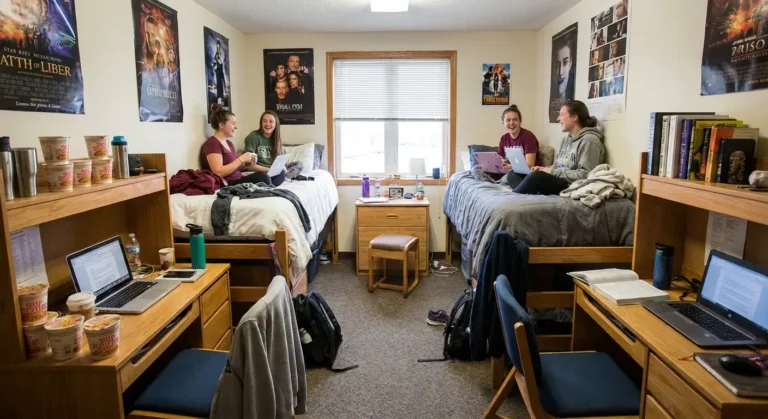
College dorms come in various shapes and sizes, but most first-year students find themselves in traditional residence halls with shared spaces. The average college dorm room measures between 180 to 280 square feet, typically housing two students in a double occupancy setup. Understanding the layout and limitations of your specific college dorm is crucial before you start shopping for essentials.
Most college dorms feature twin XL beds (36″ x 80″), built-in closets or wardrobes, a desk and chair for each student, and sometimes a small dresser. The rooms are designed to maximize space efficiency, but storage can still be challenging. Many colleges provide basic furniture, but you’ll need to bring or purchase additional items to make the space functional and comfortable.
Types of College Dorms
Traditional residence halls are the most common type of college dorm, featuring long hallways with multiple rooms sharing common bathrooms. However, many colleges now offer suite-style dorms where 4-6 students share a connected living space and bathroom. Apartment-style dorms provide even more independence with full kitchens and private bathrooms, typically reserved for upperclassmen.
Co-ed dorms are standard at most colleges, with options for single-gender floors or wings. Some colleges offer themed housing communities based on academic interests, lifestyle preferences, or cultural backgrounds. Understanding which type of college dorm you’ll be living in helps determine what essentials you’ll need to bring.
Essential College Dorm Checklist
Bedding and Sleep Essentials
Your bed will likely be the largest piece of furniture in your college dorm, so investing in quality bedding is crucial. Twin XL sheets are specifically designed for college dorm beds, and you’ll need at least two sets to rotate between laundry days. A comfortable mattress topper can make a significant difference, as dorm mattresses are often firm and well-used.
Don’t forget a pillow that supports your sleeping style, a lightweight comforter for year-round use, and extra blankets for colder months. A mattress protector is essential for hygiene and can protect against spills or accidents. Consider bringing a body pillow or reading pillow for studying in bed, which is a common practice in college dorms.
Storage and Organization Solutions
Space is at a premium in college dorms, making smart storage solutions essential. Under-bed storage containers can hold out-of-season clothes, extra bedding, or rarely used items. Over-the-door organizers work well for shoes, accessories, or cleaning supplies. Desk organizers keep study materials tidy and accessible.
Hanging closet organizers maximize vertical space, while collapsible storage cubes can serve as impromptu seating or additional storage. Drawer dividers help keep small items organized, and cable management solutions prevent tech clutter. Consider bringing a small safe or lockbox for valuable items like passports, extra cash, or expensive electronics.
Study and Desk Essentials
Your desk area will be your primary study space, so equipping it properly is essential for academic success. A desk lamp with adjustable brightness reduces eye strain during late-night study sessions. A comfortable, ergonomic chair cushion can make long study hours more bearable.
Essential desk supplies include notebooks, pens, highlighters, sticky notes, and a planner or calendar. A laptop stand or monitor riser can improve posture and create additional desk space. Consider bringing a small printer if your college allows it, though many students find campus printing services sufficient.
Must-Have College Dorm Products
Kitchen and Food Storage
Most college dorms have restrictions on cooking appliances, but you can still keep snacks and beverages handy. A mini-fridge is almost essential for storing perishable items, leftovers, and beverages. Look for energy-efficient models that fit under your desk or in a corner.
Microwave-safe containers are useful for reheating leftovers or making simple meals. A water filter pitcher or reusable water bottle helps you stay hydrated while reducing plastic waste. Consider bringing a small coffee maker if your college allows it—many students find this essential for early morning classes.
Electronics and Tech Gear
Your laptop will be your most important piece of technology in college. Ensure you have all necessary chargers, cables, and a surge protector to keep your devices safe. A portable charger is useful for long days on campus when outlets aren’t available.
Noise-canceling headphones are invaluable for studying in noisy environments or blocking out roommate distractions. An external hard drive or cloud storage subscription ensures your important files are backed up. Consider bringing a small Bluetooth speaker for music or study playlists.
Bathroom and Personal Care
If you’re sharing a communal bathroom, a shower caddy is essential for carrying toiletries to and from the bathroom. Quick-dry towels, shower shoes, and a bathrobe make the experience more comfortable. Don’t forget basic toiletries like shampoo, conditioner, body wash, and dental care items.
A small first aid kit with basic medications, bandages, and other essentials can be invaluable. Consider bringing a compact mirror for getting ready, as your room’s mirror might be small or awkwardly positioned.
What to Avoid Bringing to Your College Dorm
Restricted Items
Most colleges have strict policies about what you can bring to your dorm. Common prohibited items include candles, incense, space heaters, and cooking appliances with exposed heating elements. Extension cords are often banned due to fire safety concerns—use power strips with surge protection instead.
Some colleges restrict certain types of wall decorations or require specific hanging methods to avoid damaging walls. Check your college’s housing guidelines before purchasing items like wallpaper, contact paper, or heavy wall art.
Duplicate Items
Coordinate with your roommate before move-in day to avoid bringing duplicate items. Common items to discuss include mini-fridges, microwaves, televisions, and cleaning supplies. Many colleges provide basic furniture, so you might not need to bring items like desk chairs or bed frames.
Consider your actual needs rather than packing everything you think you might want. College dorms have limited space, and bringing too much can make your room feel cramped and cluttered.
Dorm Rules and Regulations
Safety Guidelines
College dorms have specific safety regulations designed to protect students. Familiarize yourself with your dorm’s emergency procedures, including evacuation routes and assembly points. Most colleges conduct fire drills regularly, and knowing the procedures can help you stay calm during actual emergencies.
Be aware of your dorm’s security measures, including key card access, security cameras, and resident advisor (RA) protocols. Never prop open exterior doors or share your room key with others. Report any suspicious activity to your RA or campus security immediately.
Community Living Expectations
Living in a college dorm requires respecting shared spaces and being considerate of neighbors. Most colleges have quiet hours, typically from 10 PM to 8 AM on weekdays and later on weekends. Be mindful of noise levels, especially during exam periods when many students need quiet for studying.
Keep common areas clean and respect your roommate’s space and belongings. Many colleges have policies about overnight guests, so understand your dorm’s rules before inviting friends to stay. Building positive relationships with your neighbors and RA can make your college dorm experience much more enjoyable.
Cost Considerations for College Dorms
Dorm Room Expenses
The cost of living in a college dorm varies significantly by institution and location. On average, room and board costs range from $10,000 to $15,000 per academic year in 2026. This typically includes your room, meal plan, and basic utilities like electricity and internet.
Additional expenses for furnishing and equipping your college dorm can range from $1,000 to $3,000 for first-year students. Returning students often spend less as they already have many essentials. Consider shopping during back-to-college sales in late summer for the best deals on dorm essentials.
Budgeting Tips
Create a budget for your college dorm expenses that includes both one-time purchases and ongoing costs. Look for student discounts at retailers that specialize in college dorm essentials. Consider buying used items from graduating students or shopping at thrift stores for decor and storage solutions.
Many colleges offer payment plans for room and board costs, spreading expenses over several months. Some institutions provide micro-grants or emergency funds for students facing unexpected housing costs. Check with your financial aid office about available resources.
Making Your College Dorm Feel Like Home
Decorating Ideas
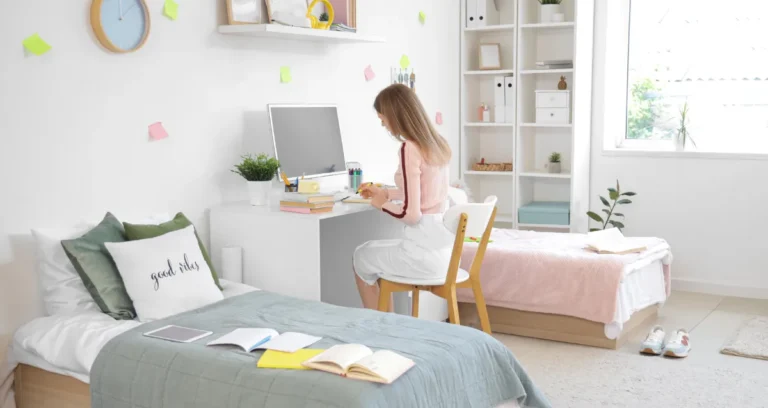
Personalizing your college dorm space can make it feel more comfortable and welcoming. Removable wall decals, posters, and string lights are popular ways to add personality without damaging walls. Area rugs can make cold tile floors more comfortable and add color to your space.
Photos of family and friends, along with small mementos from home, can help ease homesickness. Consider creating a vision board or inspiration wall to keep you motivated throughout the academic year. Plants can add life to your space, though choose low-maintenance varieties that thrive in indoor environments.
Building Community
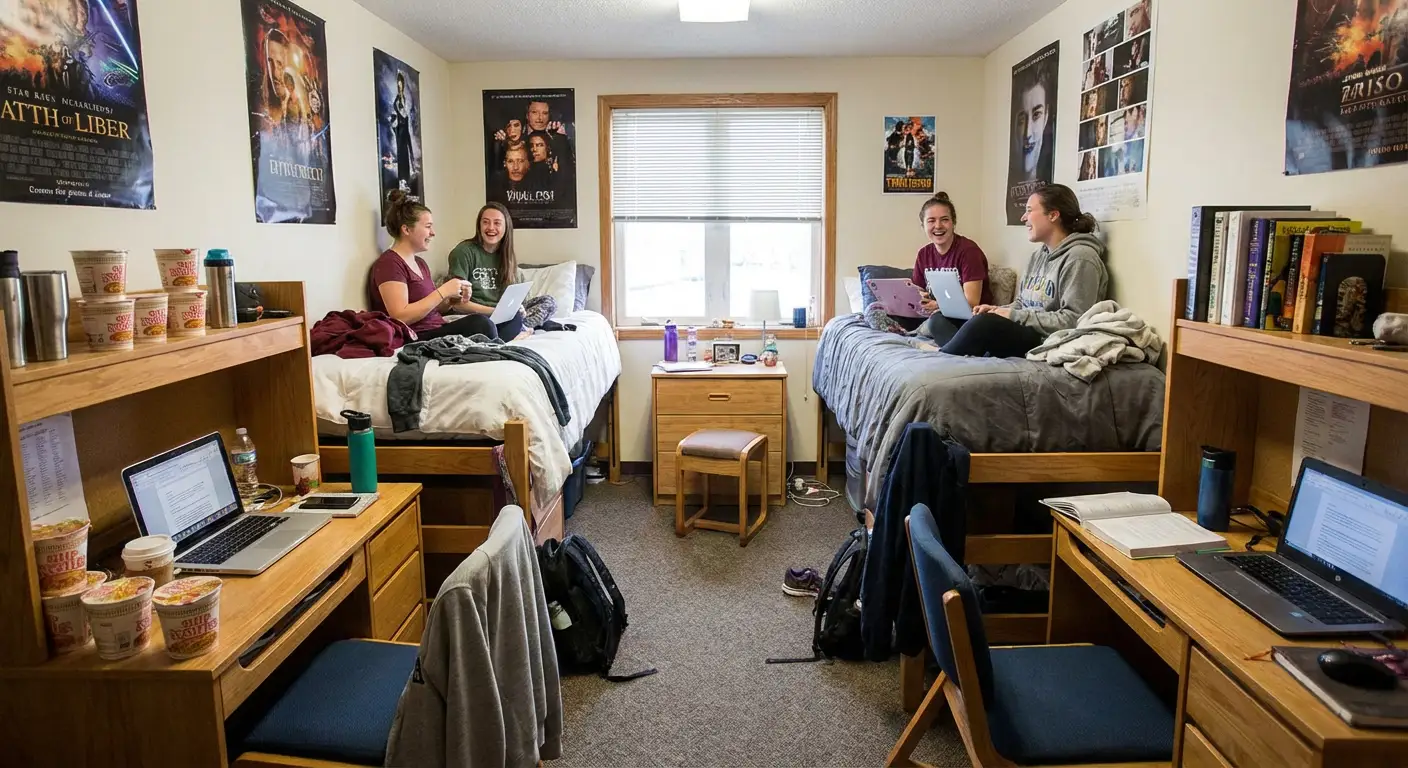
Your college dorm is also a place to build friendships and connections. Keep your door open when you’re home to encourage interaction with neighbors. Participate in dorm events and activities organized by your RA or housing staff.
Creating a welcoming space for study groups or casual hangouts can help you build a supportive social network. Consider keeping simple snacks or beverages available for impromptu gatherings with new friends.
Conclusion
Preparing for college dorm living requires thoughtful planning and smart shopping, but the effort pays off in creating a comfortable, functional space that supports your academic and personal growth. By focusing on essential items, respecting dorm rules, and personalizing your space within guidelines, you can create a college dorm room that feels like home while meeting all your practical needs.
Remember that your college dorm experience is about more than just the physical space—it’s an opportunity to develop independence, build lasting friendships, and create memories that will stay with you long after graduation. Start with the essentials, add personal touches gradually, and embrace the unique experience of college dorm living in 2026.