What Is a Dorm? Complete Guide to College Dorm Living in 2026

Living in a dorm is a rite of passage for millions of college students each year, offering a unique blend of independence, community, and learning experiences. As of 2026, dorm living continues to evolve with modern amenities, smart technology integration, and innovative space-saving solutions that make college housing more comfortable and functional than ever before. Whether you’re a incoming freshman preparing for your first dorm experience or a returning student looking to optimize your living space, understanding what dorm life entails is essential for making the most of your college years.
What Exactly Is a Dorm?
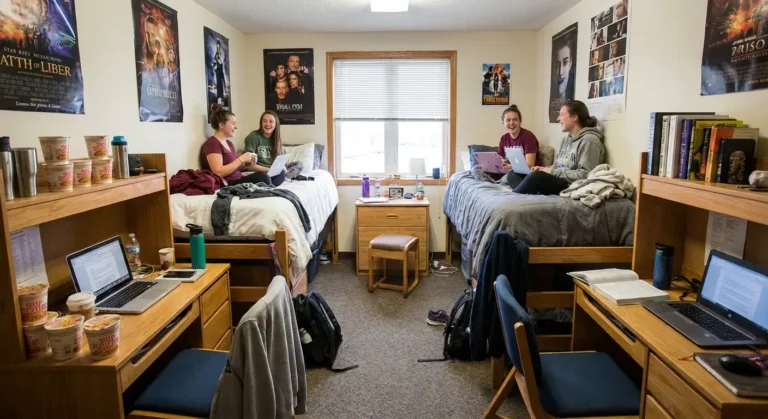
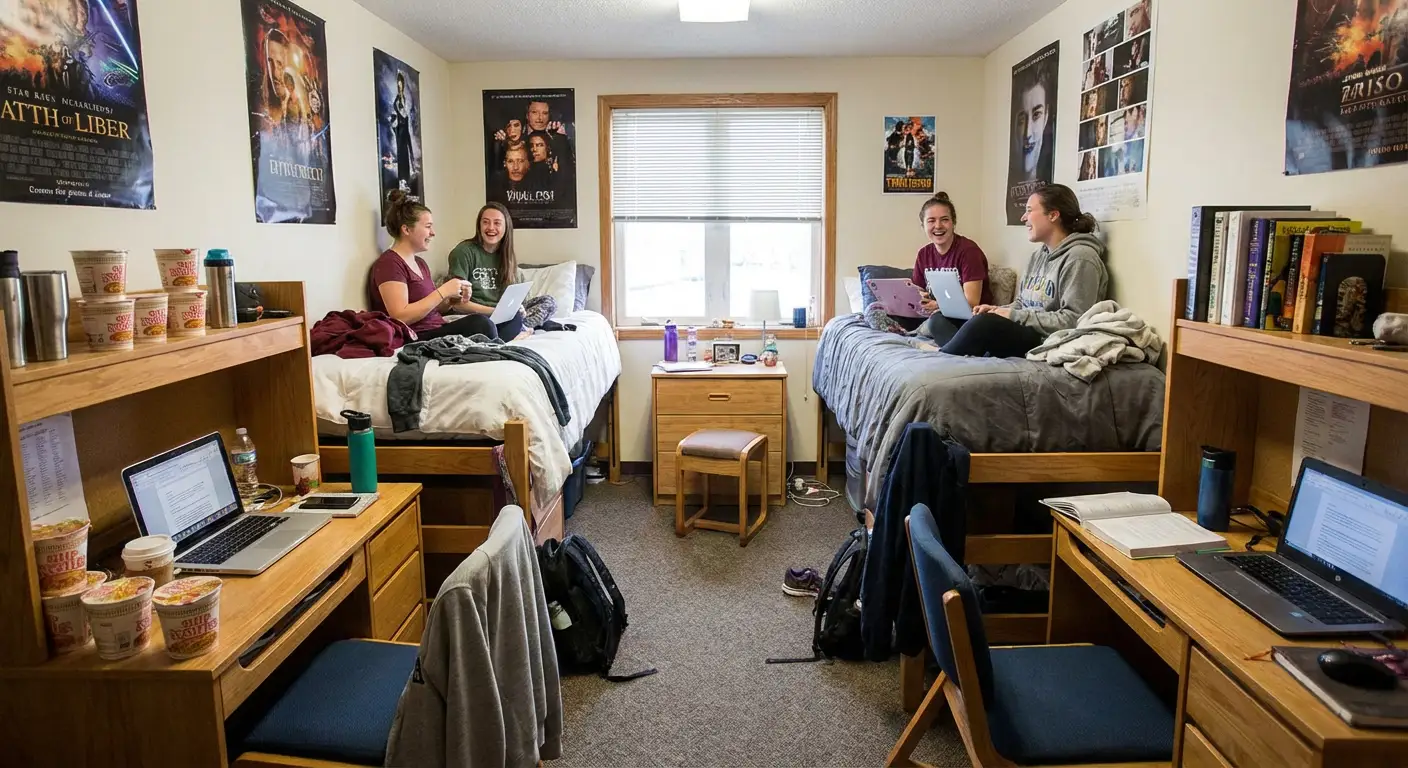
A dorm, short for dormitory, is a residential building on college campuses that provides housing for students. Dorms typically consist of multiple rooms where students live, often sharing spaces with roommates. In 2026, modern dorms have transformed significantly from their traditional counterparts, incorporating smart home technology, enhanced security features, and eco-friendly designs that appeal to today’s environmentally conscious students.
Types of Dorms Available in 2026
Today’s college students can choose from various dorm configurations to suit their preferences and budgets. Traditional double rooms remain popular, but many universities now offer suite-style living where multiple students share a common area while having private bedrooms. Apartment-style dorms with full kitchens and bathrooms are increasingly common, especially for upperclassmen. Some institutions have even introduced specialized dorms focused on wellness, sustainability, or academic themes, creating communities around shared interests.
Essential Features of Modern Dorms
Modern dorms in 2026 come equipped with features that enhance both comfort and functionality. High-speed internet connectivity is standard, with many rooms offering built-in USB ports and wireless charging stations. Climate control systems allow students to adjust temperatures individually, while improved insulation helps reduce energy costs. Security has also advanced, with keyless entry systems, 24/7 surveillance, and emergency communication devices in each room.
Benefits of Living in a Dorm
Academic Advantages
Living in a dorm provides numerous academic benefits that extend beyond mere convenience. Students living on campus typically perform better academically, with higher graduation rates and better time management skills. The proximity to classrooms, libraries, and study groups makes it easier to stay engaged with coursework and take advantage of campus resources. Many dorms now feature dedicated study lounges and quiet floors specifically designed to support academic success.
Social and Personal Growth
One of the most significant benefits of dorm living is the opportunity for social development and personal growth. Students learn valuable life skills such as conflict resolution, time management, and independence while forming lifelong friendships. The built-in community aspect of dorm living helps combat feelings of isolation that many students experience when transitioning to college life. Resident advisors and organized activities create opportunities for connection and support.
Financial Considerations
While dorm living isn’t always the cheapest option, it can be cost-effective when considering the bundled services included in room and board fees. Utilities, internet, maintenance, and security are typically covered, eliminating the need for separate bills. Many students also save money on transportation costs since they can walk to classes and campus facilities. Some universities offer payment plans that make dorm living more accessible to students from various economic backgrounds.
Challenges and How to Overcome Them
Space Limitations
One of the primary challenges of dorm living is dealing with limited space. However, 2026 has brought innovative solutions to this age-old problem. Multi-functional furniture, such as beds with built-in storage or desks that convert to dining tables, helps maximize every square foot. Vertical storage solutions, including over-the-door organizers and wall-mounted shelves, make use of often-overlooked space. Many students also utilize under-bed storage containers and vacuum-sealed bags to store seasonal items efficiently.
Roommate Dynamics
Living with a roommate can be both rewarding and challenging. Successful roommate relationships often start with clear communication and established boundaries. Many universities now offer roommate matching services that consider lifestyle preferences, study habits, and sleep schedules. Creating a roommate agreement that outlines expectations for guests, quiet hours, and shared responsibilities can prevent many common conflicts. Resident advisors are also trained to help mediate disputes and provide guidance on building positive relationships.
Privacy and Personal Space
Maintaining privacy in a shared living space requires creativity and mutual respect. Room dividers, curtains, and strategic furniture placement can create visual separation and personal zones. Noise-canceling headphones and white noise machines help create acoustic privacy for studying or sleeping. Many students establish schedules that respect each other’s need for alone time, and some dorms offer single-sex floors or quiet wings for those who prioritize privacy.
Making the Most of Your Dorm Experience
Essential Items to Bring
Creating a comprehensive packing list is crucial for a smooth transition to dorm life. Beyond basic bedding and toiletries, consider items that will make your space feel like home. A small toolkit, basic first aid supplies, and a power strip with surge protection are often overlooked but essential items. Many students in 2026 also bring smart home devices, such as voice assistants or smart bulbs, to enhance their living experience. Don’t forget important documents, medications, and any necessary adapters for electronics.
Decorating Your Space
Personalizing your dorm room is an exciting opportunity to express your personality and create a comfortable environment. Removable wall decals, string lights, and area rugs can transform a basic room without violating housing policies. Many students in 2026 embrace sustainable and upcycled decor, using second-hand furniture and DIY projects to create unique spaces. Consider incorporating plants, which not only beautify the space but also improve air quality and reduce stress.
Building Community
Getting involved in dorm life can significantly enhance your college experience. Attend floor meetings, participate in organized activities, and consider applying for leadership positions like resident advisor. Many dorms host study groups, movie nights, and cultural events that provide opportunities to meet people with similar interests. Building relationships with your neighbors can create a support system and make your living environment more enjoyable.
Frequently Asked Questions About Dorm Living
What should I bring to my dorm?
Focus on essentials first, including bedding, toiletries, school supplies, and clothing appropriate for the climate. Then add items that will make your space comfortable and functional, such as a mini-fridge, microwave, and organizational tools. Check your university’s housing guidelines for specific restrictions and recommendations.
How do I deal with roommate conflicts?
Open communication is key to resolving roommate issues. Address concerns early before they escalate, and try to understand your roommate’s perspective. If problems persist, involve your resident advisor, who is trained to help mediate conflicts and find solutions that work for everyone.
Can I have guests in my dorm room?
Most dorms allow guests, but policies vary by institution. Generally, you’ll need to inform your roommate and follow specific guidelines regarding overnight guests, quiet hours, and common area usage. Always prioritize respect for your roommate’s space and needs when hosting visitors.
Conclusion
Living in a dorm offers an unparalleled opportunity for growth, learning, and connection during your college years. While it comes with challenges, the benefits of dorm living – from academic support to lifelong friendships – make it a valuable experience that extends far beyond your college years. By approaching dorm life with an open mind, good communication skills, and a willingness to adapt, you can create a positive living environment that supports your academic and personal goals. As you prepare for your dorm experience in 2026, remember that this is more than just a place to sleep – it’s the foundation for your college journey and a space where you’ll create memories that last a lifetime.